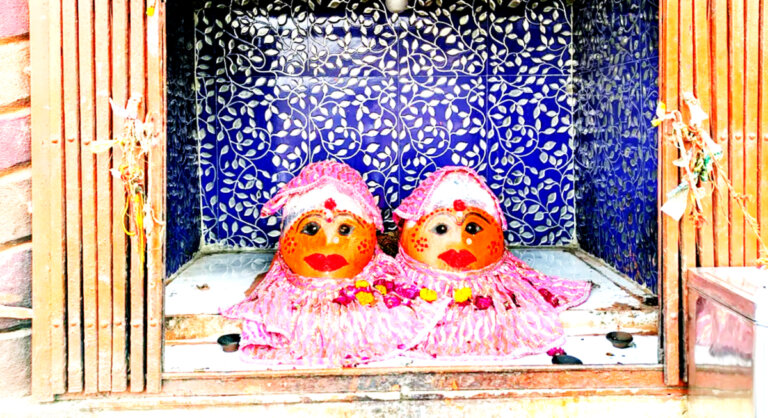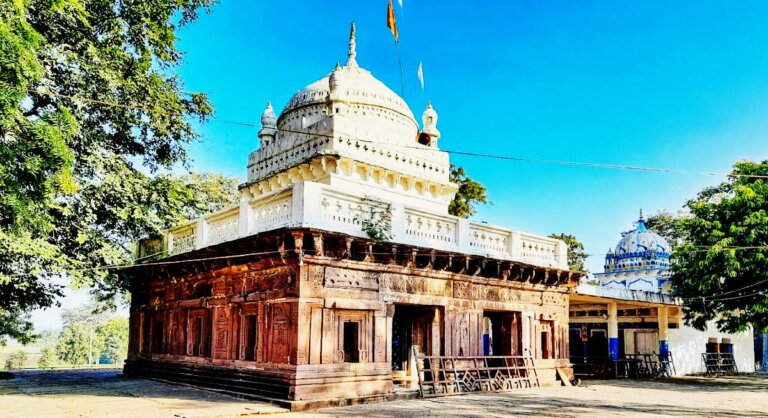

In the religious landscape of Jabalpur, Paat Baba Temple holds a special place of reverence, where faith, history, nature, and mystery come together in a fascinating way. Dedicated to Lord Hanuman, the temple is situated on a hill in Vidya Nagar, near the Gun Carriage Factory (GCF) area. As soon as visitors move away from the relatively busy surroundings of the city and reach this area, the atmosphere becomes noticeably peaceful and surrounded by greenery. This is why Paat Baba Temple attracts not only regular devotees but also tourists visiting Jabalpur.
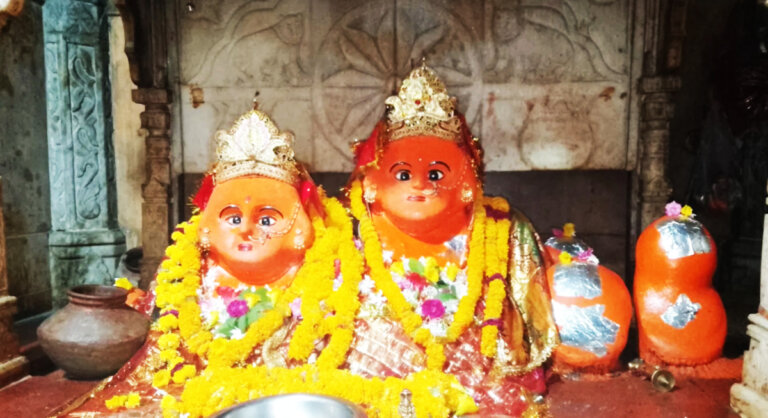
Local devotees regard the temple as a sacred and spiritually powerful Hanuman shrine. The main deity worshipped here is Paat Baba, a revered form of Lord Hanuman. Other temples and deities are also said to be present within the temple complex. According to available local information, devotees can also find shrines or idols associated with Lord Shiva, Goddess Durga, Lord Rama, Goddess Sita, and Lord Krishna.
The most famous identity of the temple comes from the legend associated with its establishment, which connects the temple with the construction of the GCF during the British period and the appearance of Lord Hanuman. Because of this, the religious identity of Paat Baba Temple is not limited to being a Hanuman shrine; it is also connected with Jabalpur’s industrial history and local traditions.
The atmosphere of the temple is particularly appealing during the morning and evening hours. Surrounded by greenery and hills, the sound of temple bells and the devotional environment provide visitors with a sense of peace. Current local listings also mention the temple as a tourist attraction.
Click here to learn about Tripura Sundari Raj Rajeshwari Temple Jabalpur.
History of Paat Baba Temple, Jabalpur
The history of Paat Baba Temple is as fascinating as the main legend associated with it. It is important to understand that several details about the temple’s history come from local traditions, religious beliefs, and published travel material. Therefore, they are best presented as traditional accounts rather than treating every detail as a historically verified fact.
According to available sources, the temple is associated with the construction of the Gun Carriage Factory in 1903.
According to local tradition, when plans for constructing the GCF in Jabalpur were progressing during the period associated with British officer Stanley Smith, construction work repeatedly faced difficulties. The legend says that walls constructed during the project would collapse during the night, preventing the work from progressing.
According to the popular account, the troubled officer had a dream one night in which Lord Hanuman appeared to him. It is believed that the dream indicated the location where an ancient idol of Lord Hanuman was buried beneath the ground. Excavation was subsequently carried out, and according to the legend, an idol of Lord Hanuman was discovered underground. The idol is said to have been wrapped in red cloth, and the site eventually became popularly known as Paat Baba Temple.
Click here to read about Dumna Nature Reserve Park Jabalpur
Published descriptions mention August 12, 1903, as the date when construction of the temple began. According to the traditional account, construction work at the GCF subsequently progressed smoothly.
This incident became the most famous religious legend associated with Paat Baba Temple. Devotees also believe that Paat Baba continues to protect the GCF and the surrounding area.
However, the dream, miracle, and supernatural elements of this story should be understood as part of local religious belief. At the same time, the connection with the GCF and the year 1903 has been mentioned in various published sources.
Click here to know about Jabalpur’s Waterfall Bhedaghat.
Architecture of Paat Baba Temple
Paat Baba Temple should not be viewed as a massive ancient temple complex with monumental architecture. Its uniqueness lies more in its hilltop surroundings, religious atmosphere, and naturally developed temple complex than in its architectural grandeur.
The temple is situated near the GCF area on a hilly location surrounded by greenery. This natural setting gives it a visual identity that distinguishes it from many other urban temples in Jabalpur.
Available local descriptions mention clean pathways, a garden, seating areas, parking facilities, and spaces for religious activities within the temple complex.
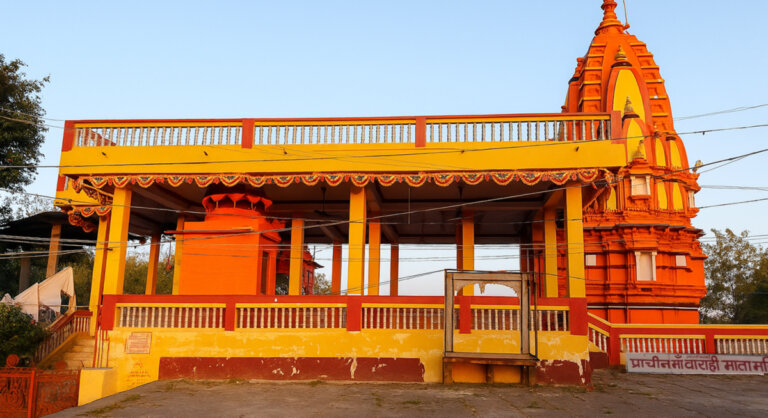
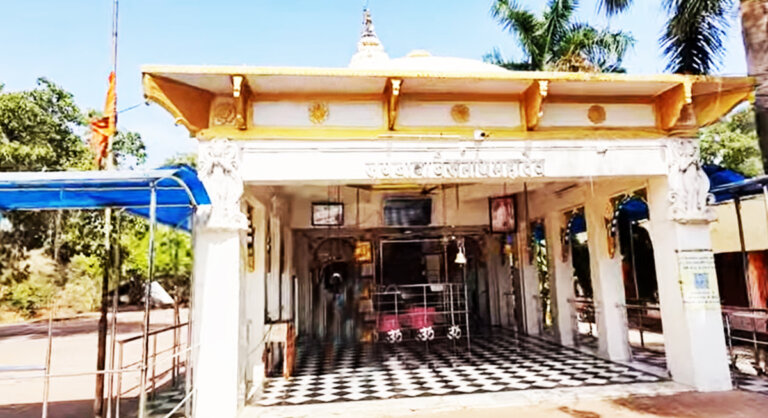
As visitors approach the temple, they can see the pathway leading toward the main shrine. Local video descriptions also mention the entrance area, red religious flags, and greenery surrounding the temple.
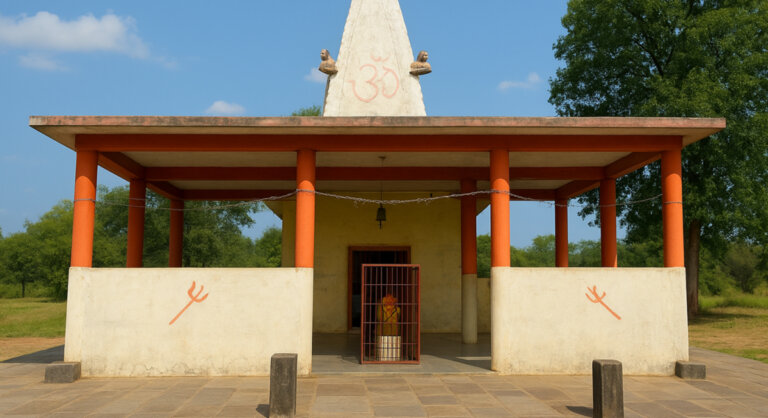
The main sanctum houses the idol of Lord Hanuman, which is the spiritual center of the temple. Other religious spaces around the complex give the site the character of a multi-deity Hindu temple complex. According to local information, shrines associated with Lord Shiva and Goddess Durga are present in the complex, while idols of Lord Rama, Goddess Sita, and Lord Krishna are also mentioned inside the main temple.
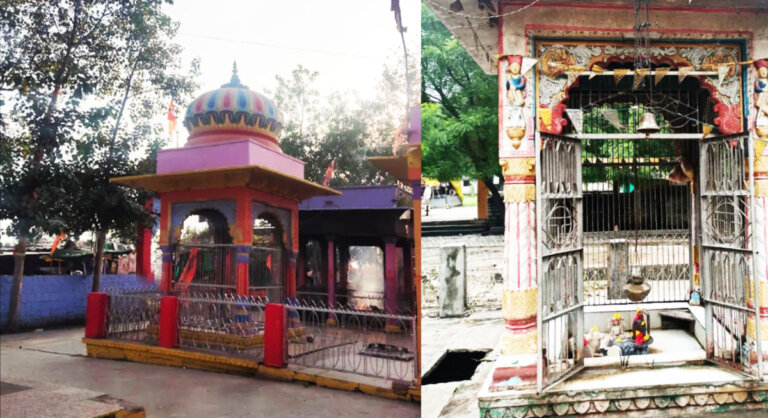
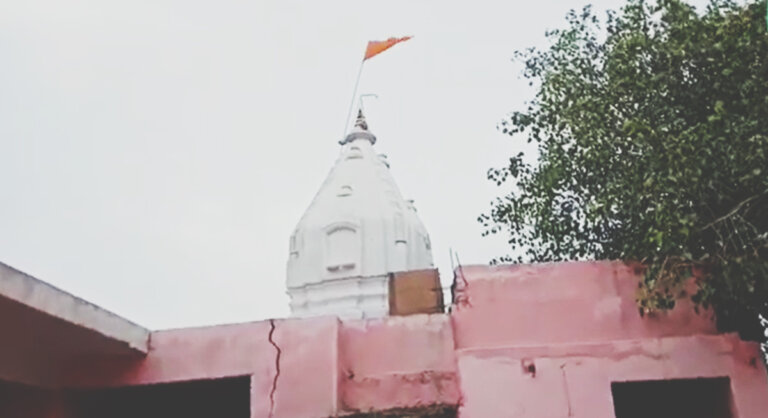
One of the most distinctive aspects of the temple is the way its architecture blends with the natural landscape. The hillside, trees, open surroundings, religious flags, and peaceful atmosphere give the complex a unique spiritual character.
The temple’s garden and some facilities for children, as mentioned by local visitors, also make it suitable for families who want to spend some peaceful time away from the city’s busy environment.
Therefore, the best way to understand the architecture of Paat Baba Temple is to experience the temple structure together with its natural surroundings, religious symbols, and peaceful hilltop setting.
Special Features of Paat Baba Temple
The greatest feature of Paat Baba Temple is its religious importance and its connection with the history of the GCF. Jabalpur has many famous temples, but Paat Baba Temple stands apart because of the story that connects British-era industrial construction with the believed divine presence of Lord Hanuman.
The second major attraction is its hilly and green surroundings. Trees, open spaces, and greenery create a peaceful environment even though the temple is located within the city. Local visitors have particularly appreciated the greenery, garden, and calm atmosphere.
Some visitors have also mentioned seeing peacocks and other birds in the surrounding area, although wildlife sightings are not guaranteed.
Another important feature is the presence of several Hindu deities along with Lord Hanuman. Available local descriptions mention Lord Shiva and Goddess Durga within the temple complex, while Lord Rama, Goddess Sita, and Lord Krishna are also mentioned among the idols.
A further attraction is the special Tuesday evening aarti. Published information mentions a special Hanuman aarti at around 7:30 PM on Tuesdays. Since timings can vary between different sources, visitors planning their trip around a specific aarti should confirm the current timing locally.
For all these reasons, Paat Baba Temple brings together religious faith, local history, nature, and fascinating traditional legends, making it a distinctive destination in Jabalpur.
Deities Inside the Temple
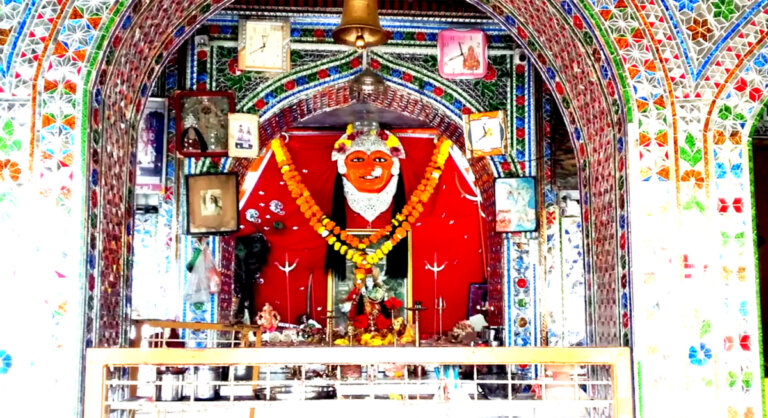
The main deity of Paat Baba Temple is Lord Hanuman, lovingly called Paat Baba by local devotees. The idol of Lord Hanuman in the sanctum is the central focus of the entire religious complex.
Devotees visit the temple to offer sindoor, flowers, prasad, and other offerings and seek the blessings of Lord Hanuman. According to local belief, Paat Baba protects devotees from difficulties and fulfills their sincere wishes.
Apart from the main Hanuman shrine, other deities are also associated with the temple complex.
Lord Hanuman: The principal deity and the spiritual center of the temple. Devotees especially visit on Tuesdays and other auspicious occasions.
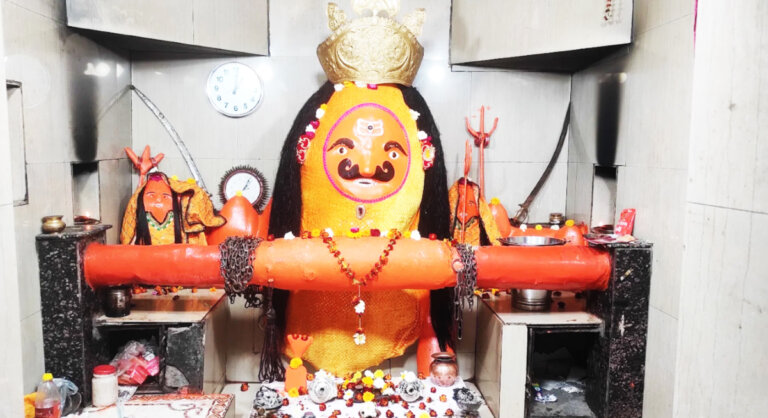
Lord Shiva: A shrine dedicated to Lord Shiva is also said to be present within the complex. Shiva devotees can offer water and prayers here.
Goddess Durga: The temple complex is also associated with the worship of Goddess Durga. Her importance becomes especially prominent during Navratri.
Lord Rama and Goddess Sita: The presence of Lord Rama and Goddess Sita is particularly meaningful because Lord Hanuman is traditionally regarded as one of the greatest devotees of Lord Rama.
Lord Krishna: Local descriptions also mention an idol of Lord Krishna.
The number of idols, arrangement of shrines, and worship facilities may change over time. Visitors should therefore follow the current information boards and temple management instructions when they visit.
Other Temples on the Premises:
- Pateshwar Mahadev Temple:
- Description: This temple is dedicated to Lord Shiva. Devotees visit here to offer prayers and seek peace of mind. The temple holds special significance during festivals such as Shivratri when elaborate rituals and ceremonies are conducted.
- Services Available: Special pujas and havans are organized during important religious occasions.
- Maa Durga Temple:
- Description: This temple is dedicated to Goddess Durga. It serves as a major site for worship and rituals, especially during festivals like Navratri.
- Services Available: The temple hosts special pujas and religious events during major festivals.
Amazing Chousath Yogini Temple of Jabalpur. Click Here
Things and Places to See Inside the Temple
A visit to Paat Baba Temple is not limited to entering the main sanctum. The natural and spiritual atmosphere of the entire complex is an important part of the experience.
From the entrance, the pathway toward the temple, religious flags, trees, garden, and open surroundings create an atmosphere quite different from an ordinary urban temple.
Main Paat Baba Temple: Visiting the main shrine of Lord Hanuman is the primary purpose of the pilgrimage. Devotees can spend a few peaceful moments before the deity and offer their prayers.
Sanctum of Lord Hanuman: The sanctum is the most important religious area of the temple, where devotees have darshan of Paat Baba and offer flowers, sindoor, and prasad.
Lord Shiva Temple: The shrine associated with Lord Shiva provides another peaceful place for devotees to offer prayers and spend a few moments in meditation.
Goddess Durga Temple: The shrine dedicated to Goddess Durga is another religious attraction within the complex and becomes particularly important during Navratri.
Garden and Greenery: The greenery and garden area add to the peaceful character of the temple and make it pleasant for families.
Peaceful Seating Areas: Instead of leaving immediately after darshan, visitors can sit at an appropriate place within the complex and enjoy the peaceful surroundings.
Aarti and Bhajans at Paat Baba Temple
Aarti and devotional music are an important part of worship at Paat Baba Temple.
Available temple-related travel information mentions a morning aarti at approximately 6:00 AM and an evening aarti at around 7:00 PM. In addition, several published sources mention a special Hanuman aarti at approximately 7:30 PM on Tuesdays.
However, different online listings show slight variations in the timings. Therefore, anyone planning to attend a particular aarti should confirm the timing locally before visiting.
Tuesday is considered especially significant for the worship of Lord Hanuman, so the number of devotees may be higher than usual on this day. During the evening aarti, the sound of bells, glowing lamps, and collective devotion can create a particularly spiritual atmosphere.
In Hanuman temples, devotional activities commonly include Hanuman Chalisa, Sundarkand recitation, Ram Naam Sankirtan, and Hanuman bhajans. However, there is no permanently published official schedule confirming exactly which bhajan or devotional program takes place every day at Paat Baba Temple.
Devotees should follow the current arrangements and instructions given by the temple priests and management. During crowded aarti sessions, it is advisable to remain patient and wait for one’s turn rather than pushing toward the sanctum.
Major Festivals and Religious Events
Since Paat Baba Temple is dedicated to Lord Hanuman, Tuesdays and religious occasions associated with Hanuman worship hold special significance.
Available sources specifically mention the special Tuesday aarti. Religious activities may also increase during Shravan and major Hindu festivals.
Hanuman Jayanti: As a temple dedicated to Lord Hanuman, Hanuman Jayanti is naturally an important occasion. Special prayers, aarti, bhajans, and prasad distribution may take place. The exact program for a particular year should be confirmed with the temple management.
Navratri: Since Goddess Durga is also associated with the temple complex, Navratri holds additional religious significance. Devotees may visit the shrine of Goddess Durga during the festival.
Shravan Month: The month of Shravan is particularly important for devotees of Lord Shiva. Since a Shiva shrine is also mentioned within the complex, religious activity may increase during this period.
Special Tuesday Aarti: Published sources mention a special Hanuman aarti at around 7:30 PM every Tuesday.
Havan and Religious Ceremonies: Local descriptions mention a yajna area and occasional havan and religious ceremonies. However, these events do not necessarily follow a permanent schedule.
The temple may be considerably more crowded on major festivals than on ordinary days. Families traveling with children or elderly people may find it more convenient to arrive early.
Timing:
- Tuesday Special Aarti: 7:30 PM
- Other Days: The temple is generally open from 6:00 AM to 8:00 PM. Timings may vary during special festivals and events.
Click here to know about Roopnath Dham Bahoriband.
How to reach Paat Baba Temple
- By Road: The Paat Baba temple can be easily reached by private vehicle, taxi, or auto-rickshaw from Jabalpur city.
- By Rail: Jabalpur Railway Station is the nearest railhead, located about 3.8 kilometers from the temple.
- By Air: The nearest airport is Dumna Airport in Jabalpur, which is approximately 14.9 kilometers from the Paat Baba temple.
Click here to know about Chaitanya City Hanuman Temple Jabalpur
Nearby Places to Visit
A trip to Paat Baba Temple can easily be combined with several other popular attractions in Jabalpur.
The Jabalpur district tourism information includes attractions such as Madan Mahal Fort, Dumna Nature Reserve, Gwarighat, Bhedaghat, Chausath Yogini Temple, Bargi Dam, Rani Durgavati Museum, and Kachnar City Shiva Temple.
Madan Mahal Fort: Located on a hill, this historic fort is associated with the Gond history of Jabalpur. It is an important site for understanding the city’s historical and military heritage.
Balancing Rock: Located near the Madan Mahal area, this unusual natural rock formation is famous for its remarkable balance and geological appearance.
Gwarighat: This famous ghat on the Narmada River is an important religious destination. The evening Narmada Aarti is particularly popular among visitors.
Kachnar City Shiva Temple: The giant statue of Lord Shiva is the major attraction here. The site is one of the prominent religious attractions of Jabalpur.
Dumna Nature Reserve: Visitors who enjoy nature can combine their temple visit with a trip to the Dumna area and spend some time surrounded by greenery and wildlife habitat.
These attractions are not all located at the same distance from Paat Baba Temple, so visitors should check the route and travel time before planning their itinerary.
How to Combine Paat Baba Temple with Jabalpur Sightseeing
If you are visiting Jabalpur for the first time, returning after visiting only Paat Baba Temple would mean missing many of the city’s other attractions.
Jabalpur offers a diverse combination of religious, historical, cultural, and natural destinations. Major attractions include Bhedaghat, Chausath Yogini Temple, Marble Rocks, Dumna Nature Reserve, Bargi Dam, Rani Durgavati Museum, Madan Mahal Fort, and Kachnar City.
Bhedaghat and Dhuandhar Waterfall: The Narmada River flowing through the spectacular marble cliffs creates the famous Dhuandhar Waterfall. The combination of the waterfall and Marble Rocks is one of Jabalpur’s most memorable experiences.
Chausath Yogini Temple: Situated on a hill overlooking the Narmada region, this ancient temple is significant from both religious and architectural perspectives. Visitors have to climb steps to reach the temple, but the panoramic view from the top makes the effort worthwhile.
Rani Durgavati Museum: History lovers can visit this museum to learn more about the cultural heritage and history of the region.
Madan Mahal Fort: This hilltop historical site offers a glimpse into Jabalpur’s Gond-era heritage.
Bargi Dam: Built on the Narmada River, Bargi Dam is an important destination for visitors interested in landscapes, water bodies, and nature.
It is better to combine Paat Baba Temple with only a few nearby attractions on the same day. Bhedaghat, Dhuandhar, and Chausath Yogini Temple can be treated as a separate sightseeing circuit because they require more time.
Important Things to Keep in Mind
Paat Baba Temple is situated in a hilly and green environment, so visitors should keep a few basic things in mind.
First, maintain cleanliness inside and around the temple. The peaceful and green surroundings are among the site’s most attractive features. Avoid throwing plastic, food packets, or other waste in the open.
Visitors should wear decent and respectful clothing while entering the temple. During crowded periods, especially around the sanctum, avoid pushing and wait patiently for your turn.
Follow the temple’s current instructions regarding footwear, prasad, restricted areas, and photography.
Photography requires particular care. Since online sources do not provide completely consistent information about photography rules, it is better to ask for permission before photographing the sanctum or religious ceremonies.
Tuesdays and major festivals may attract larger crowds. Families traveling with children and elderly people should take extra care during these periods.
Local visitors have mentioned seeing birds such as peacocks in the surrounding area. However, wildlife sightings are not guaranteed, and visitors should never disturb or approach wild animals.
Most importantly, the stories related to the establishment and miracles of the temple should be understood as religious traditions and local beliefs. Maintaining a distinction between documented historical information and religious legends is important for presenting the history responsibly.
The real charm of Paat Baba Temple lies precisely in this balance, where history, faith, nature, and local traditions come together.
Address and Google map of Paat Baba temple Jabalpur
Address: PatBaba Temple, MP SH 22, Vidya Nagar, Jabalpur, Madhya Pradesh 482001
Click here to read about Jabalpur Kedarnath Temple
Complete Travel Guide to Paat Baba Temple
Before visiting Paat Baba Temple, decide whether you want to visit only the temple or combine it with other attractions in Jabalpur.
The temple is located near the GCF and Vidya Nagar area and is relatively accessible by road.
By Train: Jabalpur Railway Station is the city’s major railway connection. From the station, visitors can take an auto-rickshaw, taxi, or local cab to the temple. Since online sources show different distances, checking the current road route on a live map is recommended.
By Bus: After reaching Jabalpur, visitors can use local auto-rickshaws, taxis, or other available transportation toward MP SH 22 and the Vidya Nagar area. Telling the driver “Paat Baba Temple, near GCF” can be useful.
By Air: Jabalpur’s Dumna Airport is the city’s main air connection. A taxi or cab from the airport is the most convenient option. Travel sources mention the airport as being around 15 kilometers from the temple, although the actual road distance may vary depending on the route.
Best Time to Visit: October to March is generally considered a comfortable period for exploring Jabalpur. If your priority is a devotional experience, visiting on Tuesday or during a major religious festival can be particularly meaningful, although crowds are likely to be higher.
Recommended Time: Approximately 1–2 hours are sufficient for darshan and exploring the temple complex.
Facilities: Local sources mention parking, a garden, and seating facilities.
Suggested Travel Plan: Visit Paat Baba Temple in the morning, followed by Madan Mahal Fort and Balancing Rock. If time permits, continue toward Gwarighat. Bhedaghat, Dhuandhar, and Chausath Yogini Temple are better planned as a separate sightseeing circuit.
In this way, a visit to Paat Baba Temple becomes more than just a temple visit. It becomes an opportunity to experience Jabalpur’s history, nature, spirituality, and cultural heritage together.
Why Visit Paat Baba Temple?
The greatest attraction of Paat Baba Temple is that it offers much more than a place of worship. It is a destination surrounded by layers of history, religious faith, local traditions, and nature.
Dedicated to Lord Hanuman, the temple has a distinctive identity because of its connection with the GCF and the famous traditional story about construction difficulties and the discovery of a Hanuman idol beneath the ground.
The year 1903 is associated with the temple’s establishment in several published sources.
The second major reason to visit is its hilltop natural setting. Surrounded by greenery, the temple provides a peaceful escape from the noise of the city. Local visitors have particularly appreciated the calm atmosphere, garden, and natural surroundings.
The third attraction is the religious diversity of the complex. Along with Paat Baba, or Lord Hanuman, descriptions mention Lord Shiva, Goddess Durga, and idols associated with Lord Rama, Goddess Sita, and Lord Krishna.
The fourth reason is the devotional atmosphere, especially the special Tuesday aarti. For devotees of Lord Hanuman, visiting on Tuesday evening can be a particularly memorable experience.
The fifth reason is its convenient connection with other Jabalpur attractions. Madan Mahal Fort, Gwarighat, Bhedaghat, Dhuandhar Waterfall, Chausath Yogini Temple, and Kachnar City can be included in a broader Jabalpur itinerary.
Paat Baba Temple is therefore not simply a place to seek darshan. It is a peaceful and fascinating destination where visitors can experience faith, history, nature, and the cultural character of Jabalpur.
Images of Paat Baba temple Jabalpur

Other places to visit in Jabalpur.
- Dhuandhar Falls, Jabalpur
- Marble Rocks, Jabalpur
- Kedarnath Temple, Jabalpur
- Dumna Nature Reserve Park, Jabalpur
- Balancing Rock, Jabalpur
- Madan Mahal Fort, Jabalpur
- Rani Durgavati Museum, Jabalpur
- Chausath Yogini Temple, Jabalpur
- Bargi Dam, Jabalpur
- Tilwara Ghat, Jabalpur
- Pisanhari ki Madiya, Jabalpur
- Chataniya City Hanuman Temple
- Sea World Water Park
- Treasure Island, Mall
- Bhawartal Garden
- Kankali Devi Temple
- Sangram Sagar Lake
- Sri Vishnu Varaha Mandir
- Gwari Ghat
Click for information about Kankali Devi Temple Tigwa.
Interesting information about the Katni City of Madhya Pradesh.
Click here to learn about Roopnath Dham Bahoriband.
Beautiful Waterfall of Katni City.
Click to learn about the Metro Museum, Delhi.
To know about Mahakaleshwar Jyotirling of Ujjain click.
Delhi Handcrafted Bazaar Dilli Haat.
Conclusion
Paat Baba Temple in Jabalpur is among those religious destinations where a strong spiritual atmosphere is accompanied by a fascinating historical tradition. Dedicated to Lord Hanuman, the temple is associated with the construction of the GCF and the year 1903. According to local belief, the discovery of a Hanuman idol beneath the ground and the subsequent establishment of the temple gave the site its special identity among devotees.
The miraculous elements of this story should be understood as part of local religious tradition, while the references connecting the temple with 1903 and the GCF appear in published sources.
Another major attraction of the temple is its natural setting. The hill, greenery, garden, and peaceful surroundings make it a different experience from many urban temples.
Along with Lord Hanuman, descriptions also mention Lord Shiva, Goddess Durga, Lord Rama, Goddess Sita, and Lord Krishna within the temple complex.
Visitors can choose morning or evening hours for darshan, while Tuesday offers the attraction of a special Hanuman aarti. Since temple timings vary slightly across online sources, anyone planning to attend a specific religious ceremony should confirm the timing locally.
If you are planning a trip to Jabalpur, Paat Baba Temple can be combined with destinations such as Madan Mahal Fort, Balancing Rock, Gwarighat, Bhedaghat, Dhuandhar Waterfall, and Chausath Yogini Temple.
In this way, one journey can offer a beautiful combination of devotion, history, nature, mystery, and the cultural heritage of Jabalpur.
 2
2 20
20 20
20